

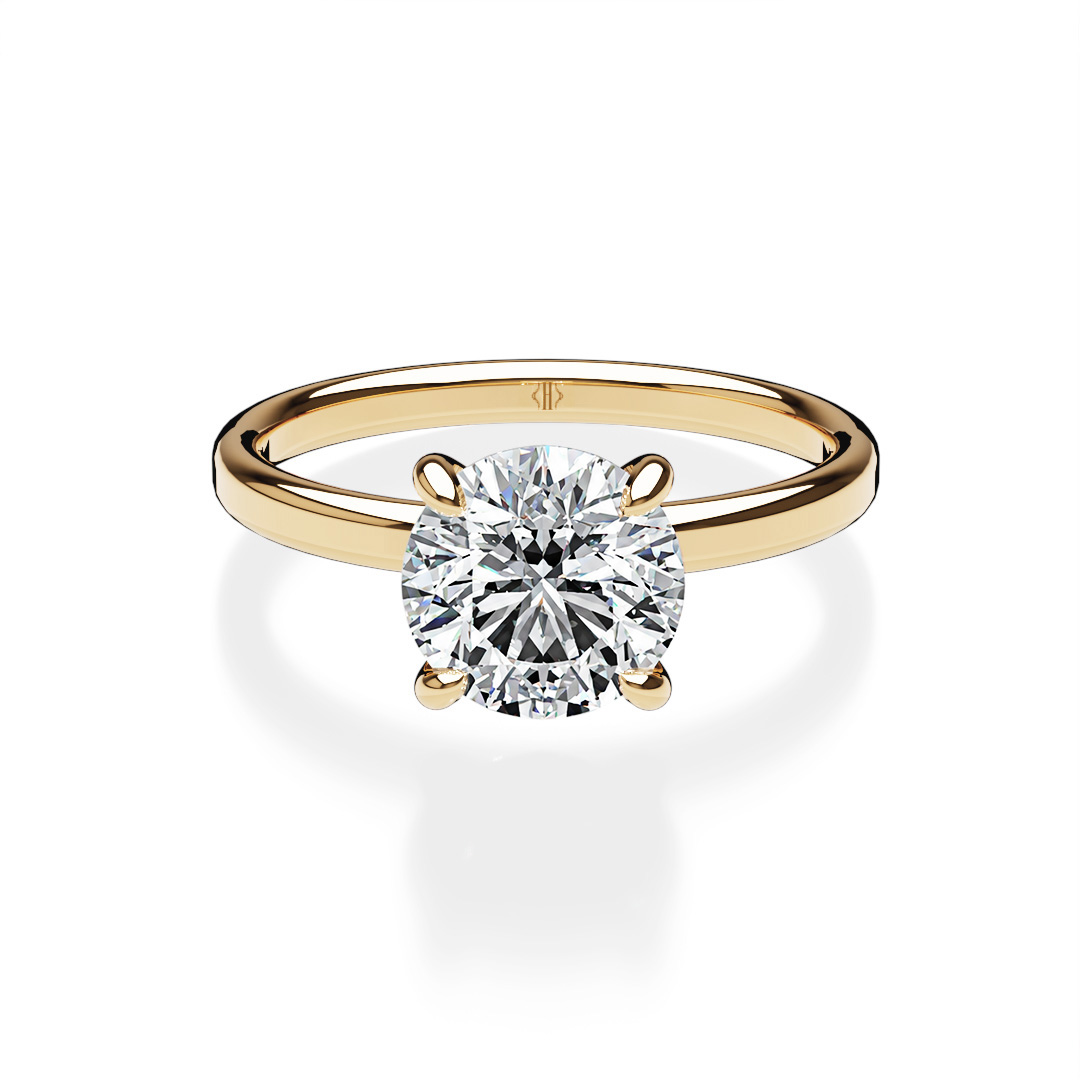
3-carat diamonds
November 16, 2026
Where can I compare prices for 3-carat diamonds from trusted sellers like StoneAlgo and Heritage Jewels PK
Start with StoneAlgo to compare online diamond listings, then request an itemized quote from Heritage Jewellers Pakistan for a comparable stone and setting. StoneAlgo is a search and pricing platform, while Heritage sells finished jewelry, so their advertised figures need different treatment. This diamond price guide explains how to compare the same specifications, check laboratory reports, and separate center-stone prices from complete-ring costs. (https://www.hanifjewellers.com/ )
Where should you compare 3-carat diamond prices?
Use StoneAlgo for market benchmarking, Rare Carat for another searchable selection, and Heritage Jewellers for a direct jewelry quote. Compare the exact diamond by laboratory report number whenever possible; otherwise, match origin, weight, shape, color, clarity, and cut quality before judging the price. Both comparison platforms provide natural and laboratory-grown options, while Heritage’s public diamond collection needs further inquiry for a specific 3-carat purchase. (https://www.hanifjewellers.com/ )
StoneAlgo: establish a market benchmark
StoneAlgo offers a diamond price calculator, daily price indexes, and a tool for checking GIA or IGI report numbers. Its comparison tool supports side-by-side review of up to four diamonds. Use those tools to shortlist candidates, then confirm availability and checkout costs with the actual seller. (https://www.hanifjewellers.com/ )
Its estimates are benchmarks, not appraisals or offers to buy your diamond. StoneAlgo also discloses that partner jewelers pay it when shoppers click through, so treat its results as a useful market sample rather than proof that every seller has been searched. (https://www.hanifjewellers.com/ )
Heritage Jewels PK: request a comparable written quote
The Heritage Jewellers Pakistan website has a diamond collection with finished-ring prices and descriptions listing details such as color, clarity, gold purity, and diamond weight. However, the collection reviewed did not establish a like-for-like, independently graded 3-carat center-stone offer. It therefore cannot support a reliable claim that Heritage is cheaper or more expensive than StoneAlgo’s listed sellers. (https://www.hanifjewellers.com/ )
Before comparing a Heritage quote, request:
• Stone identity: natural diamond, laboratory-grown diamond, or another material.
• Center-stone details: exact weight, measurements, shape, and laboratory report number.
• Itemized pricing: center stone, setting, accent stones, and customization.
• Purchase terms: currency, payment charges, delivery, returns, and resizing.
Keep moissanite listings out of your diamond comparison. Heritage markets moissanite separately, and IGI distinguishes diamond identity from simulants in its laboratory assessment. A similar-looking ring is not necessarily the same product. (https://www.hanifjewellers.com/ )
How much does a 3-carat diamond cost in 2026?
The 3-carat diamond cost varies sharply between natural and laboratory-grown stones, and specifications can change either price substantially. In StoneAlgo’s November 14, 2026 snapshot, its all-shape 3-carat index showed $41,080 for natural diamonds and $1,559 for laboratory-grown diamonds. These are broad benchmarks, not matched-stone quotes or complete-ring prices. (https://www.hanifjewellers.com/ )
For a more focused 3-carat lab grown vs natural diamond price comparison in 2026, Rare Carat’s page displayed these starting prices when reviewed on November 16, 2026:
Round diamond specifications Lab-grown starting price Natural starting price
G color, VS1 clarity $1,945 $30,860
G color, VS2 clarity $1,785 $24,155
E color, VVS2 clarity $2,810 $34,420
The seller’s comparison covers round diamonds from 2.90 to 3.10 carats, not exclusively stones weighing exactly 3.00 carats. Figures reflect the lowest advertised price within each group, including current savings; they do not establish identical cut performance or appearance. Recheck the listings before committing. (https://www.hanifjewellers.com/ )
The practical lesson from this lab-grown vs natural diamond price comparison for 3-carat stones is to avoid a universal multiplier. Natural diamonds command a substantial premium in these examples, but the size of that premium depends on the particular stones and market sample. (https://www.hanifjewellers.com/ )
What drives differences in 3-carat pricing?
Origin, cut, color, clarity, weight, and shape all matter when comparing diamond prices. For natural diamonds, rarity helps explain why larger, higher-quality stones command higher prices. But paying for a rarer grade is not the same as paying for an improvement you will notice when wearing the ring. (https://www.hanifjewellers.com/ )
Cut quality and visible performance
Cut controls how a diamond handles light. GIA explains that proportions affect brightness, fire, and scintillation; poorly directed light can leave a diamond looking dark. Prioritize attractive light performance rather than assuming a high color or clarity grade guarantees sparkle. (https://www.hanifjewellers.com/ )
Ask for videos in more than one lighting environment and examine the whole stone, not just flashes under spotlights. For natural diamonds, remember that GIA’s overall cut grade applies to standard round brilliants, not every fancy shape. An oval or emerald cut needs assessment beyond a seller’s “excellent cut” label. (https://www.hanifjewellers.com/ )
Color and clarity without unnecessary upgrades
Small color differences can produce substantial value differences, while inclusions affect appearance according to their characteristics and location. Ask the seller to identify visible inclusions and show the stone beside nearby color grades. Make the final choice from actual appearance and your preferences, not the highest grades your budget permits. (https://www.hanifjewellers.com/ )
Shape, measurements, and apparent size
A well-cut 3-carat round is often around 9.3 millimeters across—not three times the width of a 1-carat round. Weight measures mass rather than finger coverage, and a deep diamond can carry weight where you cannot see it. Compare length, width, and face-up appearance alongside carat weight. (https://www.hanifjewellers.com/ )
Laboratory reports make comparisons meaningful
An independent laboratory report documents identity and quality; it is not a promise of resale value. GIA recommends insisting on independent verification, while IGI explicitly states that its report is not an appraisal, guarantee, or warranty. Verify the report with the issuing laboratory and arrange to have the diamond’s identifying details matched before final acceptance. (https://www.hanifjewellers.com/ )
There is an important 2026 reporting distinction: GIA introduced Premium and Standard assessments for eligible laboratory-grown diamonds on October 1, 2025. Do not assume that this assessment format maps directly onto an older report or an IGI report listing individual grades. Compare the actual documented characteristics and understand which assessment each seller is presenting. (https://www.hanifjewellers.com/ )
Separate center-stone weight from the finished ring
“3 carat total weight” does not mean a 3-carat center diamond. Total carat weight combines all diamonds in a piece; center-stone weight describes one stone. For example, a hypothetical 1.50-carat center plus 1.50 carats of accents totals 3 carats, but it is not equivalent to buying a single 3-carat diamond. (https://www.hanifjewellers.com/ )
Use this sequence to compare complete offers:
1. Fix the center-stone specification. Record its report number, exact weight, measurements, and origin.
2. Price the mounting separately. Request metal purity, accent-stone details, and customization costs.
3. Normalize the final payment. Use one currency and ask about taxes, shipping, bank charges, and any applicable import costs.
4. Compare purchase protections. Get the return deadline, exclusions, resizing terms, and insured-delivery arrangements in writing.
For visual impact, ask to preview a solitaire beside a halo or side-stone design. These are different compositions, not interchangeable ways of describing center-stone size. Choose the design you prefer, but keep its added diamonds separate in your price comparison. (https://www.hanifjewellers.com/ )
Read diamond price trends without treating them as forecasts
Follow diamond price trends within the category you intend to buy. StoneAlgo’s November 14 snapshot showed a one-month change of −0.09% for its natural 3-carat index and −2.99% for its laboratory-grown counterpart. Those observations describe that index and period; they do not predict your shortlisted stone’s next price. (https://www.hanifjewellers.com/ )
Keep resale expectations separate from shopping estimates, too. StoneAlgo explains that resale typically falls below retail because buyers need margins and finding a buyer takes time. Ask for written buyback or trade-in terms rather than assuming a natural diamond will retain its purchase price. (https://www.hanifjewellers.com/ )
Buy the verified stone, not the headline discount
Build a shortlist using StoneAlgo, cross-check another marketplace, and request a fully specified Heritage quote. Compare the center diamond first, the finished ring second, and the purchase protections third. The best offer is the one you can verify, comfortably afford, and genuinely want to wear.