

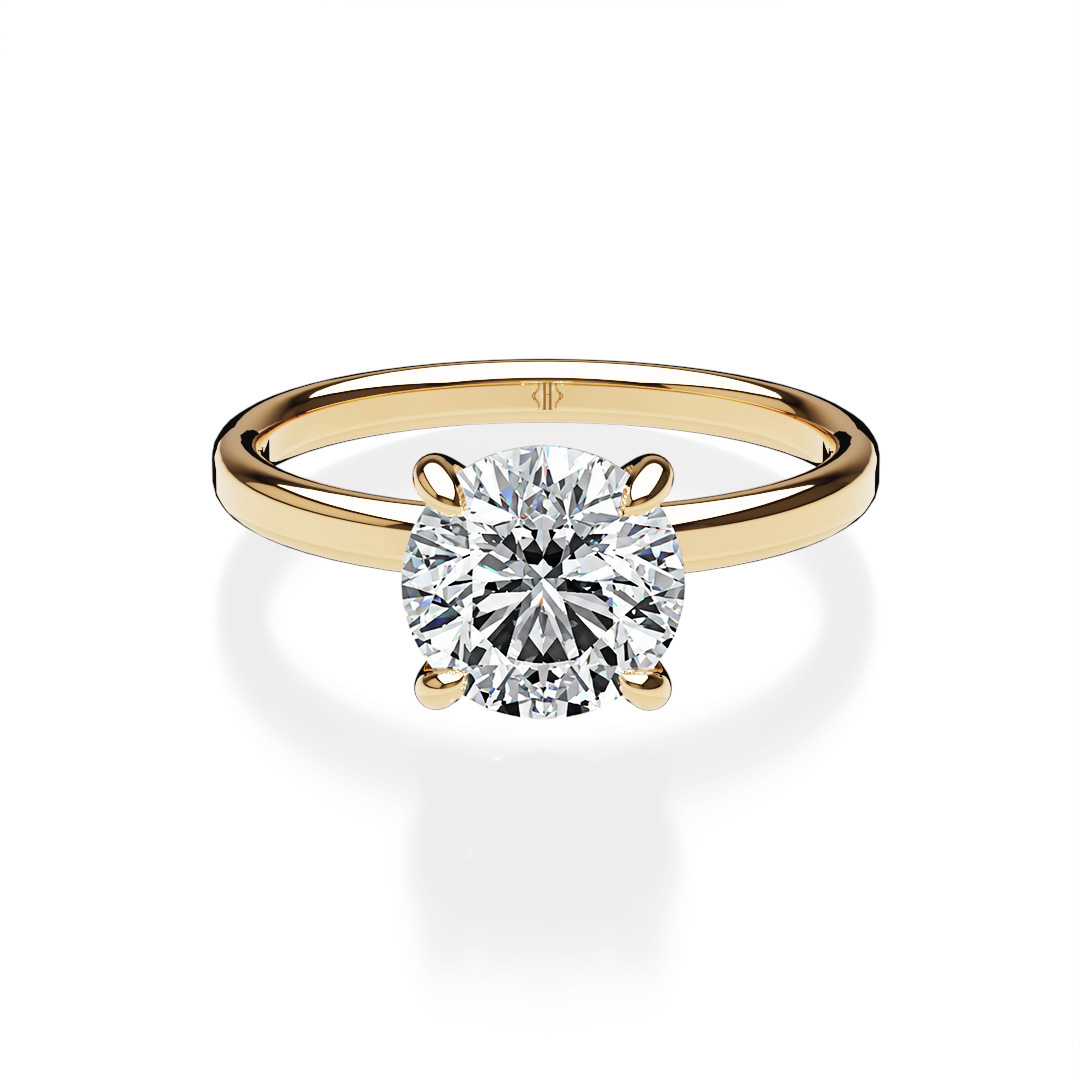
Round Brilliant Cut Diamond Ring in White Gold:
October 3, 2026
A Guide to Timeless Elegance
A round brilliant cut diamond ring in white gold combines a sparkling centre stone with a clean, elegant band. Whether chosen for an engagement, an anniversary, or a personal milestone, this design offers a classic look with room for individual expression.
Its appeal comes from the relationship between the diamond and its setting. The round shape creates a balanced focal point, while white gold provides a pale backdrop that complements the stone.
What Is a Round Brilliant Cut Diamond?
The round brilliant cut is designed to bring out a diamond’s brightness, fire, and scintillation—the flashes of light you see as the stone moves. It typically has 57 facets, or 58 when a culet facet is present.
However, the shape alone does not guarantee exceptional sparkle. The diamond’s proportions, symmetry, and polish influence how it handles light. When comparing round diamonds, pay close attention to cut quality rather than choosing by carat weight alone.
A smaller, well-cut diamond can be more visually appealing than a larger stone with less effective proportions.
Why Choose White Gold?
White gold is an alloy made by combining gold with other metals to produce a paler colour. Jewellery made from white gold is often finished with rhodium plating, which gives it a bright white surface.
This finish creates a cohesive look around a colourless or near-colourless diamond. White gold also pairs easily with other pale-metal jewellery, making it a versatile option for everyday styling.
As rhodium plating wears, the underlying alloy may show a warmer tone. Ask your jeweller about maintenance and replating before purchasing.
Settings to Consider
The setting affects both the ring’s appearance and how it feels during daily wear.
Classic Solitaire Setting
A solitaire setting keeps the focus on one diamond. A plain white gold band gives the centre stone a clear outline and suits someone who prefers understated jewellery.
This is a strong starting point if you want the round brilliant diamond to be the main feature.
Four-Prong or Six-Prong Setting
Prongs hold the diamond in place while leaving much of it visible. Four prongs give the stone an open appearance, while six prongs can emphasise its circular outline and provide additional points of support.
The security of either design depends on its construction and condition. Have the prongs inspected periodically, especially if you wear the ring every day.
Bezel Setting
A bezel setting surrounds the diamond’s edge with a rim of metal. Its smooth profile can be practical for someone who wants fewer exposed edges that might catch on clothing.
The metal border also gives the round stone a defined, contemporary appearance.
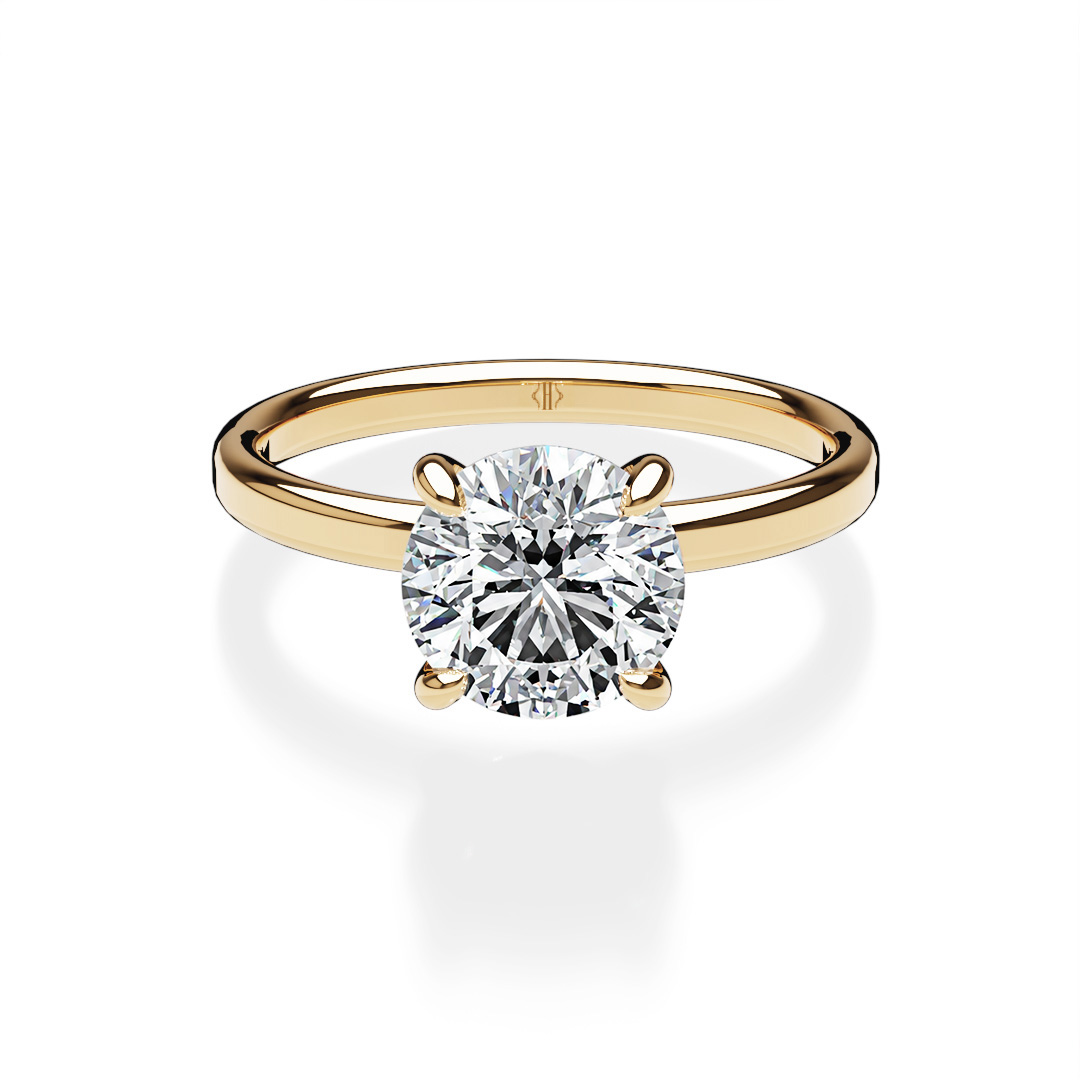
Pavé Band
A pavé band features small diamonds set along the shank, adding sparkle around the centre stone. It suits someone who enjoys a more decorative ring.
Ask about cleaning, maintenance, and resizing, as these can be more involved than with a plain band.
How to Choose the Diamond
The four Cs—cut, colour, clarity, and carat weight—provide a useful framework for comparing diamonds.
Cut: For a round brilliant diamond, cut quality is especially important because it influences brightness and sparkle.
Colour: Compare stones in person where possible. A white gold setting does not remove a diamond’s body colour, so choose an appearance you enjoy.
Clarity: Look at whether inclusions are visible without magnification and whether any affect durability. A higher clarity grade may offer little visible difference between some stones.
Carat weight: Carat measures weight rather than diameter. Compare the stone’s measurements and proportions alongside its weight.
If the diamond comes with a grading report, check that the report details match the stone being sold.
Natural or Laboratory-Grown Diamond?
A round brilliant cut diamond ring can feature either a natural or a laboratory-grown diamond. Both are diamonds, but they have different origins and should be clearly disclosed.
Diamond simulants, including moissanite and cubic zirconia, are different materials. Confirm the identity of the centre stone and have it recorded on the invoice.
Choose according to your preferences and budget, using clear specifications to compare your options.
Comfort and Fit Matter
A beautiful ring should also suit your routine. Try different band widths and setting heights before deciding.
A high setting may accommodate some wedding bands more easily, but it can also catch on clothing. A lower setting may feel more convenient, although the exact design will determine how another band sits beside it.
Check that the ring feels secure without being uncomfortable and ask whether future resizing is possible.
Caring for Your White Gold Diamond Ring
For routine cleaning, use lukewarm water, mild dish soap, and a soft brush, provided your jeweller confirms this is suitable for the complete ring. Rinse carefully and dry with a soft cloth.
Remove the ring before heavy manual work or exposure to harsh chemicals. Store it separately to reduce scratches, and arrange occasional inspections of the setting and prongs.
If the white finish changes with wear, your jeweller can advise whether rhodium replating is appropriate.
Choosing a Ring You Will Enjoy Wearing
A round brilliant cut diamond ring in white gold offers a versatile foundation for many styles, from a simple solitaire to a decorative pavé design.
Focus on the diamond’s cut, the setting’s workmanship, and the ring’s comfort. With clear specifications and thoughtful selection, you can choose a piece that feels personal and remains a pleasure to wear.