

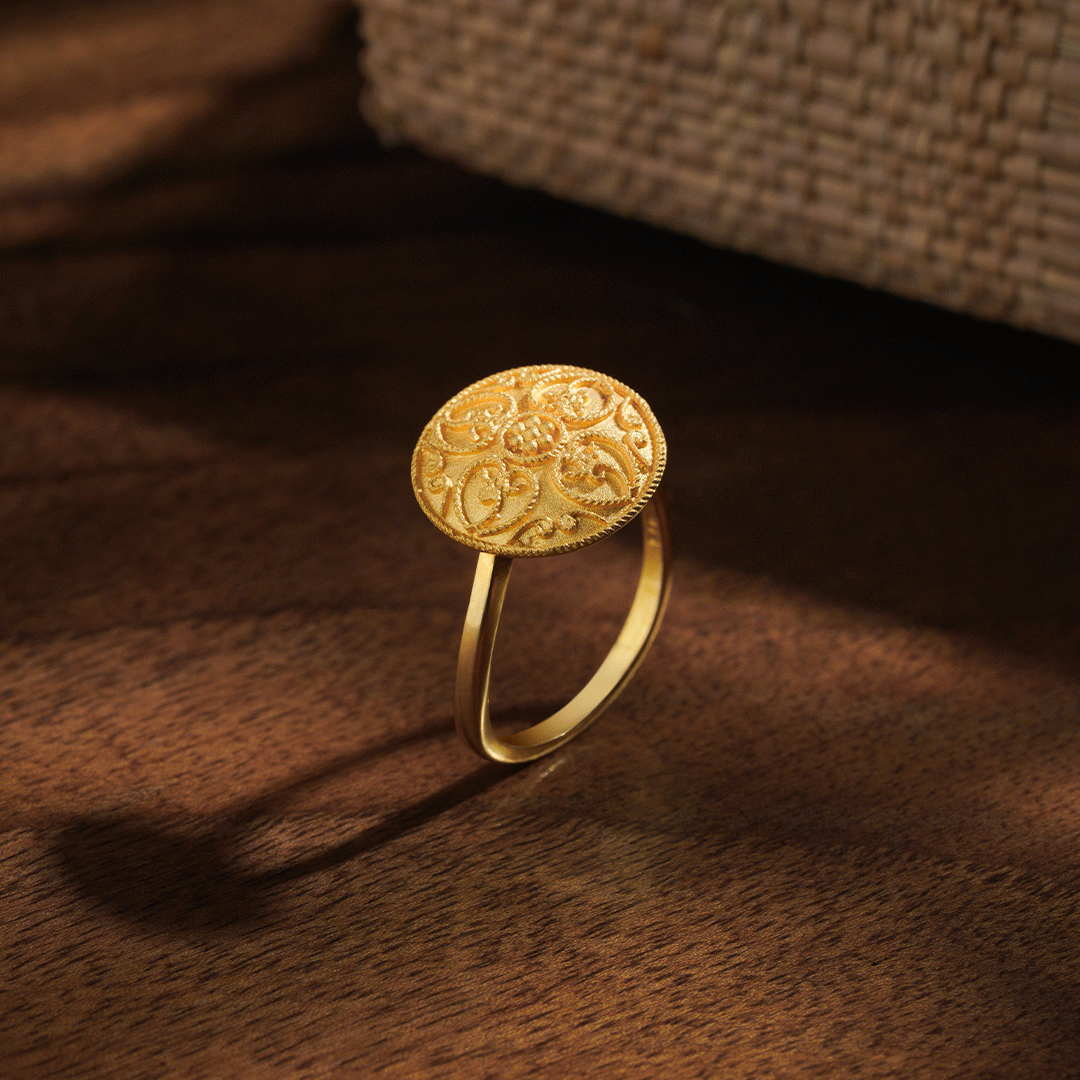
Unique Jewelry
November 17, 2026
Unique jewelry brings personal expression into the details you wear, whether through an unexpected silhouette, a meaningful engraving, or a design created around your preferences. The most satisfying pieces balance visual character with comfort and a clear understanding of their materials. Here’s how to recognize distinctive design, explore different creative directions, and choose accessories that feel like part of your style rather than a costume.
What makes jewelry genuinely unique?
Jewelry feels unique when its design or personal meaning gives it a recognizable identity. That might be an off-center stone, an architectural curve, or a private detail known only to the wearer. You do not need the biggest piece in the room—or something nobody else owns—to find that sense of individuality.
When exploring unique jewelry designs, look beyond the first impression. Ask yourself which detail holds your attention and whether you would still enjoy it without the styling in the photograph. A sculptural ring might appeal because of its outline, while a simple pendant might matter because its shape recalls a place you love.
Try separating your preferences into three categories:
• Visual character: Angular shapes, flowing lines, unusual proportions, or deliberate asymmetry.
• Personal connection: Initials, symbols, inscriptions, or references that carry meaning for you.
• Wearability: A scale, fit, and construction suited to when you actually plan to wear it.
Use these categories as a filter. A piece does not have to satisfy all three equally, but it should offer more than novelty alone.
Find your creative direction before you browse
Start with the clothes and accessories you already reach for. Instead of asking what looks impressive in isolation, consider what would add something useful to those combinations. Give yourself a brief: perhaps “soft curves with one strong color” or “clean shapes with an unexpected detail.”
For an organic direction, look for designs that suggest petals, pebbles, branches, or irregular outlines. For an architectural direction, explore open shapes, repeated geometry, and clearly defined edges. If symbolism matters most, begin with a memory or motif rather than searching for a particular stone.
Try these ideas as starting points, not rules:
• Quietly distinctive: Choose a familiar format, such as a small hoop, with one altered proportion or textured section.
• Sculptural: Explore a broad cuff or curved pendant, then keep neighboring accessories restrained while you assess the shape.
• Color-led: Build around a shade you enjoy wearing rather than choosing a stone solely because it is described as rare.
• Personal: Consider an inscription or abstract reference instead of a literal symbol if you prefer subtle meaning.
Save a small selection of references and note exactly what appeals to you. “I like the open space” gives you a more useful direction than “I want something different.”
Look past the design to materials and construction
An appealing photograph is a starting point, not a complete product description. Before committing, ask for the metal composition, any surface coating, the stone’s identity, dimensions, and care instructions. Keep those details alongside the images so you can compare pieces on more than appearance.
Metal terminology deserves attention. The Federal Trade Commission explains that gold karat marks describe gold content, while sterling silver contains 92.5% silver. Use the stated composition rather than color alone when comparing descriptions. (https://www.hanifjewellers.com/ )
Also distinguish the underlying metal from its finish. Gold plating can wear away, with wear depending on factors including plating thickness and how the piece is used. If you are considering a plated design for frequent wear, ask about maintenance and whether refinishing is available. (https://www.hanifjewellers.com/ )
For gemstone jewelry, discuss your intended use with the jeweler. GIA notes that a stone’s durability affects appropriate setting and wearing choices; unusual cuts can also require specially considered mountings. Ask how the proposed design supports the particular stone rather than assuming every setting is equally suitable. (https://www.hanifjewellers.com/ )
Request close-up views of the back, clasp, edges, and stone setting. GIA emphasizes that properly shaped and finished prongs help minimize snagging while holding a gemstone securely. If a detail looks unfinished or raises a comfort concern, seek clarification before purchasing. (https://www.hanifjewellers.com/ )
Should you choose custom jewelry or an existing design?
Choose an existing design when it already delivers the look and fit you want; consider custom jewelry when a specific idea, proportion, or personal detail remains unresolved. Neither route is automatically more meaningful. The better choice is the one that meets your brief without adding complexity you do not need.
If you are exploring bespoke jewelry, ask the maker to explain what that service includes. Establish whether you are commissioning a new design, adapting an existing piece, or selecting from preset options. Agree on the scope before discussing small decorative details.
Prepare a short commissioning brief:
1. Describe the purpose. Explain whether the piece is for everyday wear, occasional dressing, or a meaningful gift.
2. Share focused references. Identify the shapes, colors, or proportions you like without requesting a copy of another designer’s work.
3. Set practical boundaries. State your budget, preferred dimensions, timing needs, and any materials you want to avoid.
4. Confirm the approval process. Ask what drawings, models, or other previews you will receive and when changes remain possible.
5. Record the terms. Clarify deposits, revisions, resizing, cancellation, delivery, and aftercare in writing.
Ask what remains uncertain at each stage. If a preview cannot fully communicate weight, movement, or surface finish, discuss how you will evaluate those elements. Do not approve a detail simply because you feel you ought to understand it already.
Style statement jewelry with intention
Treat statement jewelry as a focal point you can adjust, not a rule that everything else must follow. Start with one expressive piece, put on the complete outfit, and decide whether you want more contrast or more breathing room. Your own reaction is more useful than a rigid formula.
For example, try sculptural earrings first without a necklace. Then add a fine chain and compare the two versions. With a broad cuff, test a bare neckline before adding another prominent shape; the aim is to make a deliberate choice, not automatically avoid combinations.
If you enjoy mixing unique accessories, give the experiment one connecting idea. Repeat a curve, echo a color, or pair two pieces with similarly crisp outlines. You can then introduce a contrasting element without trying to match everything.
Before leaving home, run a practical check:
• Move normally: Turn your head, sit down, and reach forward to assess comfort.
• Test your clothing: Check how the piece interacts with your actual collar, sleeves, or scarf.
• Check the arrangement: Make sure layered pieces sit where you want them during movement.
• Edit deliberately: Remove one accessory, compare the result, and keep the version you prefer.
Creative jewelry should leave room for play. Photograph combinations you enjoy so you can recreate them without rebuilding the whole look each time.
Evaluate the story without letting it replace the details
When browsing artisan jewelry, ask who designed the piece, who made it, and which production steps the seller can explain. Request specific information about the process rather than treating a workshop photograph or evocative description as the full answer. Decide which aspects of making matter to you before comparing the stories.
Apply the same approach to exclusive jewelry. Ask what “exclusive” means in that particular listing: a single finished piece, a limited production quantity, or availability through one seller. Then consider whether that distinction matters to you independently of the design.
For gemstone pieces, ask what documentation is available and what it establishes. GIA explains that its Identification & Origin Report can identify gemstone material, report detectable treatments, and offer an origin opinion, although origin cannot always be determined. Read the actual report rather than relying on a broad description of it. (https://www.hanifjewellers.com/ )
Keep a simple comparison note for your shortlist: design appeal, material information, fit, maintenance, and seller responses. Leave unanswered points visible. If an important detail remains unclear, pause rather than letting an appealing story make the decision for you.
Choose character you will enjoy wearing
The right piece does not need to prove how adventurous or knowledgeable you are. Look for a design that interests you, check the practical details, and imagine wearing it on an ordinary day not just for a photograph. Whether you choose a subtle ring or commission something expressive, let personal connection and everyday enjoyment guide the final decision.